



In this Episode
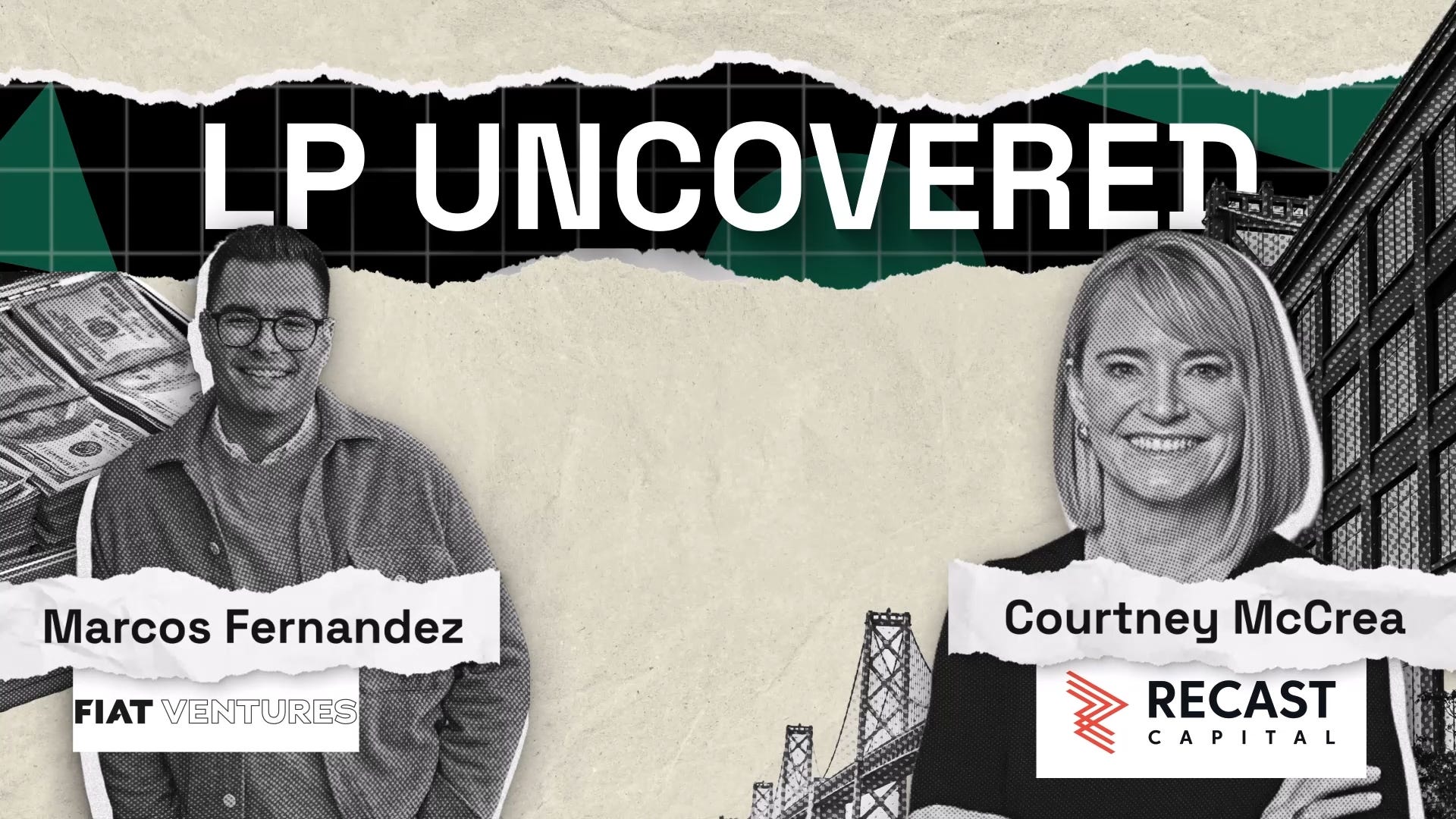
Courtney McCrea spent more than a decade watching the behemoths of venture capital grow too large for their own good. As fund sizes ballooned and general partners grew wealthier, she noticed a persistent paradox: returns were becoming increasingly muted. In 2019, Courtney saw the signal in the noise. The true alpha no longer resided with the multi-billion-dollar “asset gatherers,” but with the hungry, scrappy, and often overlooked emerging managers.
As a co-founder and managing partner of Recast Capital, Courtney has shifted from being a traditional allocator to a “New Builder” in the asset management space. Her firm operates with a dual-track mission: a fund of funds that backs top-performing emerging managers and a productized support system designed to institutionalize the next generation of venture talent. For Courtney, the goal isn’t just to write checks—it’s to build an ecosystem where diversity of thought and experience drives superior returns.
Precision Over Scale: Redefining True Venture Returns
Courtney distinguishes between two very different businesses currently operating under the “venture” umbrella. On one side are the large aggregators, firms like Andreessen Horowitz or Sequoia, which she describes as competitors to Blackstone or TPG (large asset managers). These firms prioritize stability and the ability to absorb $500 million checks from massive institutional LPs. However, with that scale comes a shift in the risk-return profile. When a firm manages $28 billion, a 1.8x return is a success; for Courtney, that isn’t venture capital.
True venture returns are generated by firms that stay “right-sized.” Courtney focuses on managers who maintain the discipline to invest at the early stages where 10x or fund-returning outcomes are still possible. By backing these smaller, specialized funds, Recast provides institutional investors with a diversified pipeline to the blue-chip firms of tomorrow. Courtney argues that the market saturation at the top has created a vacuum of opportunity for specialist managers who possess the specific “founder-market fit” required to navigate sectors like artificial intelligence.
Systemic Resilience: Productizing the Playbook
The traditional LP/GP relationship is often transactional and siloed, but Courtney and her co-founder, Sarah, sought to break that mold by productizing the LP experience. Through their “Accelerate” program, Recast has supported 156 managers, offering a 12-month cohort-based curriculum that covers everything from fund formation to executive coaching. This framework recognizes that being an emerging manager is an inherently lonely endeavor, and that a cohesive community can serve as a powerful risk mitigation tool.

By providing services like AI-driven operational audits and liquidity solutions, Courtney is helping managers build firms, not just funds. This “skin in the game” approach goes beyond capital; it involves a year-long engagement with a manager’s fundraising and development process. Courtney believes that by professionalizing the operations of these emerging firms, Recast effectively de-risks the asset class for other institutional allocators who might otherwise be wary of the “first-time fund” label.
“If you have a tiger by the tail and you are a seed-stage investor, and that company is now a fund-returning position for you—lock that in. Get your invested capital off the table and play with house money.”
The Human Algorithm: Betting on the Decision Maker
When Courtney evaluates a potential manager, she isn’t just looking at a track record; she is looking for a “good community actor.” In the long-term marriage of an LP/GP relationship, alignment of character is as critical as alignment of interest. Courtney utilizes an “off-the-books” vetting process, tapping into a network of over 150 managers to gauge how a GP interacts with their peers. The “hidden signal” she seeks is a manager who lifts up others—someone who is active, engaged, and participatory.
This human-centric lens extends to how managers pitch. Courtney often finds that emerging GPs spend too much time defending their thesis and not enough time emphasizing their unique qualifications. She looks for “GP-fund fit”—the specific life experiences, networks, and points of view that make a person the only one who should be making a specific set of decisions. In a market where anyone can write a check, Courtney bets on the decision-makers who have the discipline to be succinct, the patience to allow their wins to be absorbed, and the humility to sell when the valuation outpaces the reality.
The Future Outlook
As the venture landscape enters a new era of liquidity constraints and AI-driven disruption, Courtney remains focused on the fundamental math of the asset class. While the secondary market has matured into a viable path for mid-market companies to provide DPI, she maintains that venture capital cannot be timed. The “New Builders” who remain in the market through these cycles—those who focus on quality over voice and precision over scale—are the ones who will define the next decade of performance. Courtney’s work at Recast ensures that when the next financial cycle peaks, it will be the right-sized, diverse, and operationally sound managers who are standing at the top.
More from Uncovered Media


